
Our History
More than 100 subadult and nearly adult gharials (Gavialis gangeticus) died under unknown circumstances in the lower Chambal River in 2007–08. This was a serious blow to the continued survival of a species that was already Critically Endangered. Even worse was the realisation that little to nothing was known about the life history of these unique crocodilians.
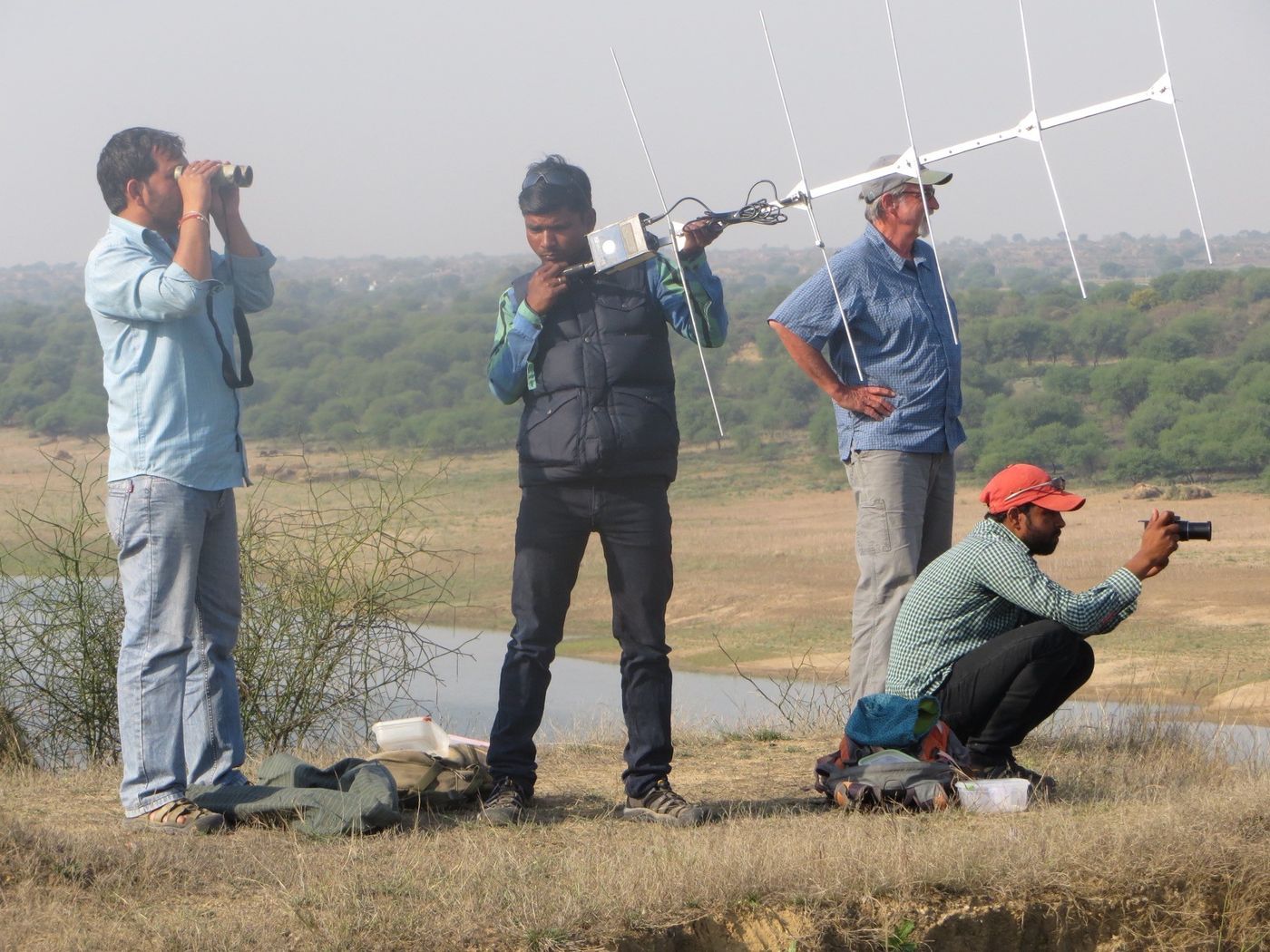
The Gharial Ecology Project (GEP) was established in 2008 as a response — to unravel the secret lives of gharials and possibly unearth clues on the causes of the die-off. Dr Jeffrey Lang, Rom Whitaker and Dhruvajyoti Basu helped establish the GEP as a field project of the Madras Crocodile Bank Trust / Centre for Herpetology. Initial field efforts involved tagging, tracking and observing gharials to understand their movement and behaviour.
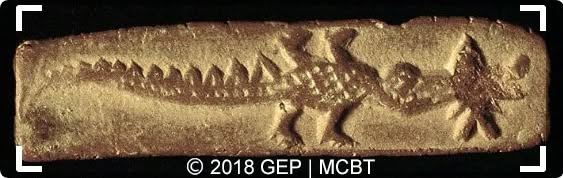
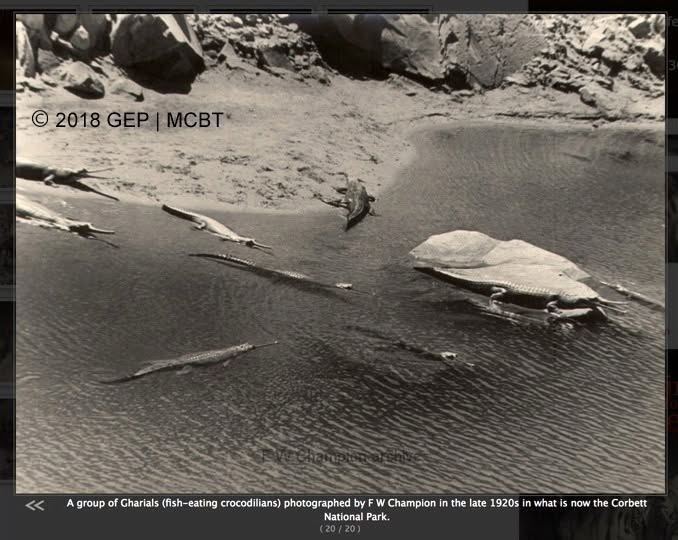
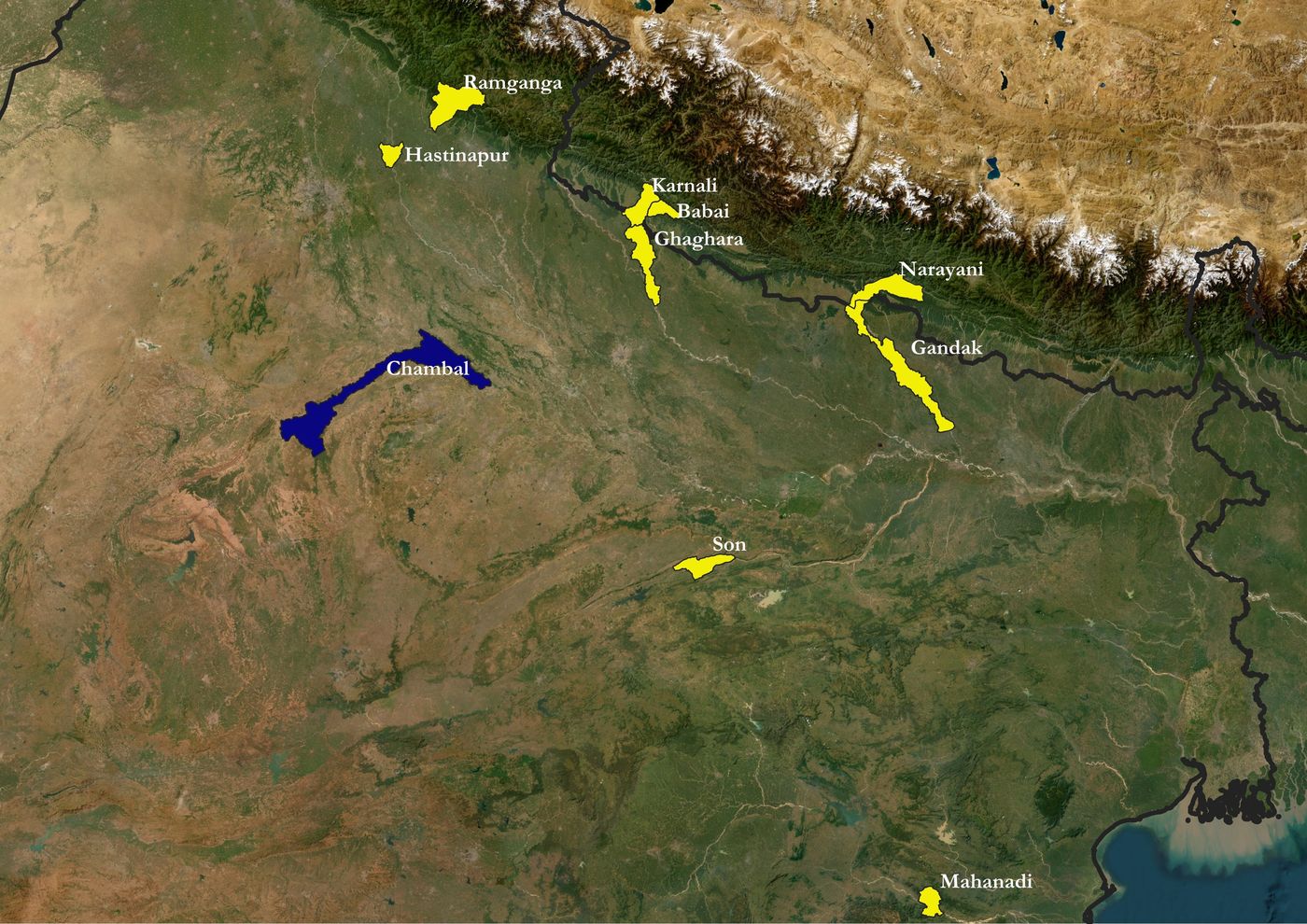
Gharials have shared India’s rivers with people for millennia. Dr Lang has gathered historical evidence of their former range for the IUCN Red List assessment.
Now nearing its 20th year, the Gharial Ecology Project remains an on-the-ground effort, jointly implemented by the Madras Crocodile Bank Trust and the Gharial Local & Global Foundation. We have accumulated a wealth of ecological data on gharials that is being translated into evidence-based conservation actions for the species.
Our aim is to integrate modern scientific and traditional ecological knowledge on gharials and other aquatic species in the Chambal. This will help design and implement adaptive and inclusive management approaches that protect the landscape, recover imperilled species, and secure a future for the flora, fauna and people that depend on the Chambal.
- 2007–08More than 100 subadult and near-adult gharials die in the lower Chambal.
- 2008Gharial Ecology Project established by Dr Jeffrey Lang, Rom Whitaker and Dhruvajyoti Basu as a field project of MCBT.
- 2013Dr Lang and Pankaj Kumar reveal extensive, seasonal movements in adult gharials.
- 2016Dr Lang and Pankaj Kumar report on complex social structure and exceptional parental care. Jailabdeen A. joins as Project Coordinator.
- 2017The GEP team begins a collaboration on gharial population genetics with Dr Karthikeyan Vasudevan at the Laboratory for the Conservation of Endangered Species (CCMB-LaCONES).
- 2019Jailabdeen is selected as an EDGE Fellow by the Zoological Society of London, to extend gharial research to the upper Chambal.
- 2020Raghavendra Kumar joins the field team, expanding behavioural documentation.
- 2021GEP signs an agreement with Sanjay Dubri National Park and Tiger Reserve, Madhya Pradesh, to translocate adult male gharials to the Son River.
- 2025Dr Shashwat Sirsi joins as Project Manager. Gharial genomic studies begin in partnership with Dr Uma Ramakrishnan’s lab at the National Centre for Biological Sciences.
- 2025Fast-Track Head-Starting of gharials begins in the upper Chambal, in collaboration with the Forest Department, Government of Rajasthan.
- 2026GEP and the Department of Forest, Madhya Pradesh, initiate River Watch to protect a critical nesting stretch for gharials.
- 2026GEP and Dr Ritu Sinh pilot regenerative agriculture as a sustainable livelihood option.